In 2021, the American Council on Exercise published an independent study comparing Adaptive Resistance Exercise™ to traditional weight training, and the ACE adaptive resistance study has shaped how people understand ARX ever since. This is what it actually measured, what it found, and what those numbers do and do not mean for you.
What the ACE study compared
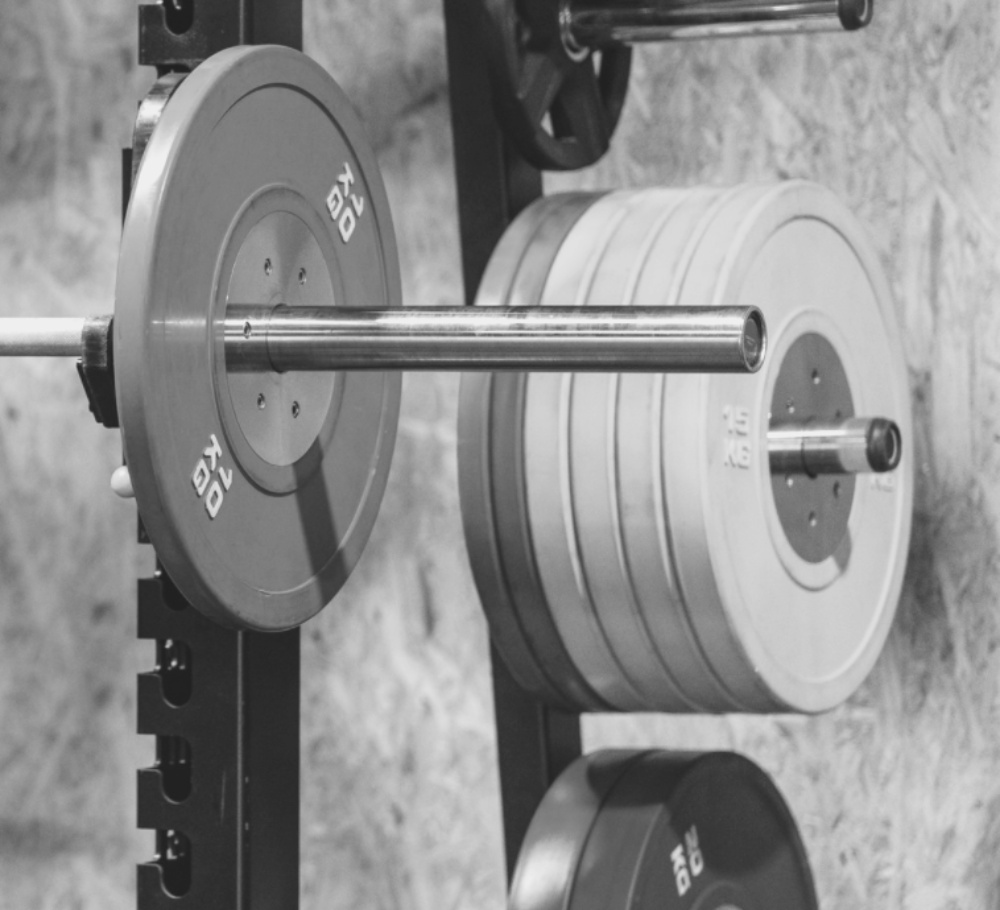
The study was run independently by the American Council on Exercise together with researchers at Western Colorado University and published in 2021. In broad terms, it set a group training on an ARX Adaptive Resistance™ machine against a group following a standard, full-body traditional weight-training program built around accepted strength-training guidelines.
The point was not to engineer a trick result. Both groups trained their whole bodies over the same study period, and the traditional group followed a sensible, general program of the kind most people would be told to start with. That makes the comparison a fair read on how Adaptive Resistance™ stacks up against ordinary weights for someone getting fit, rather than a contest between an optimized routine and a deliberately weak one.
It is worth being precise about what an independent study means here. ACE is a third-party certifying body, not a party with a stake in the outcome, and the work was carried out by university researchers. When a result like this comes from outside the company selling the product, it carries more weight than any in-house demonstration could.
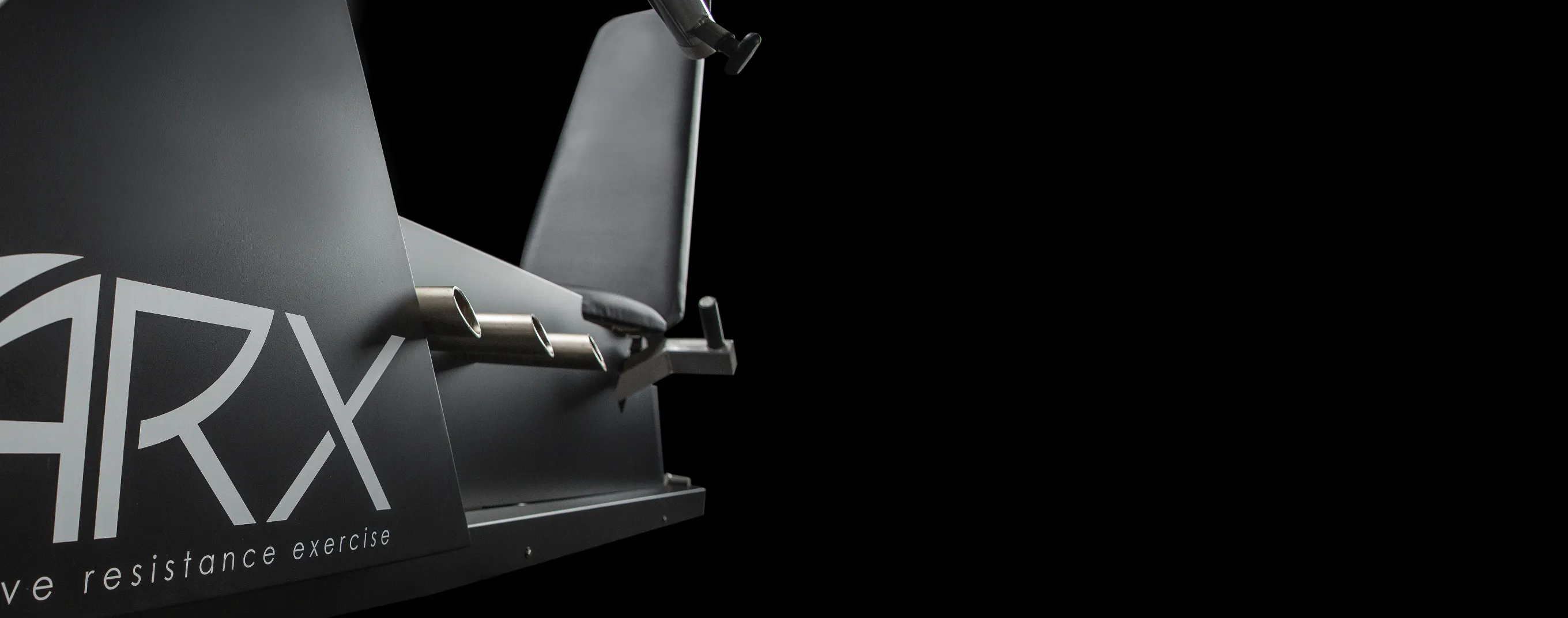
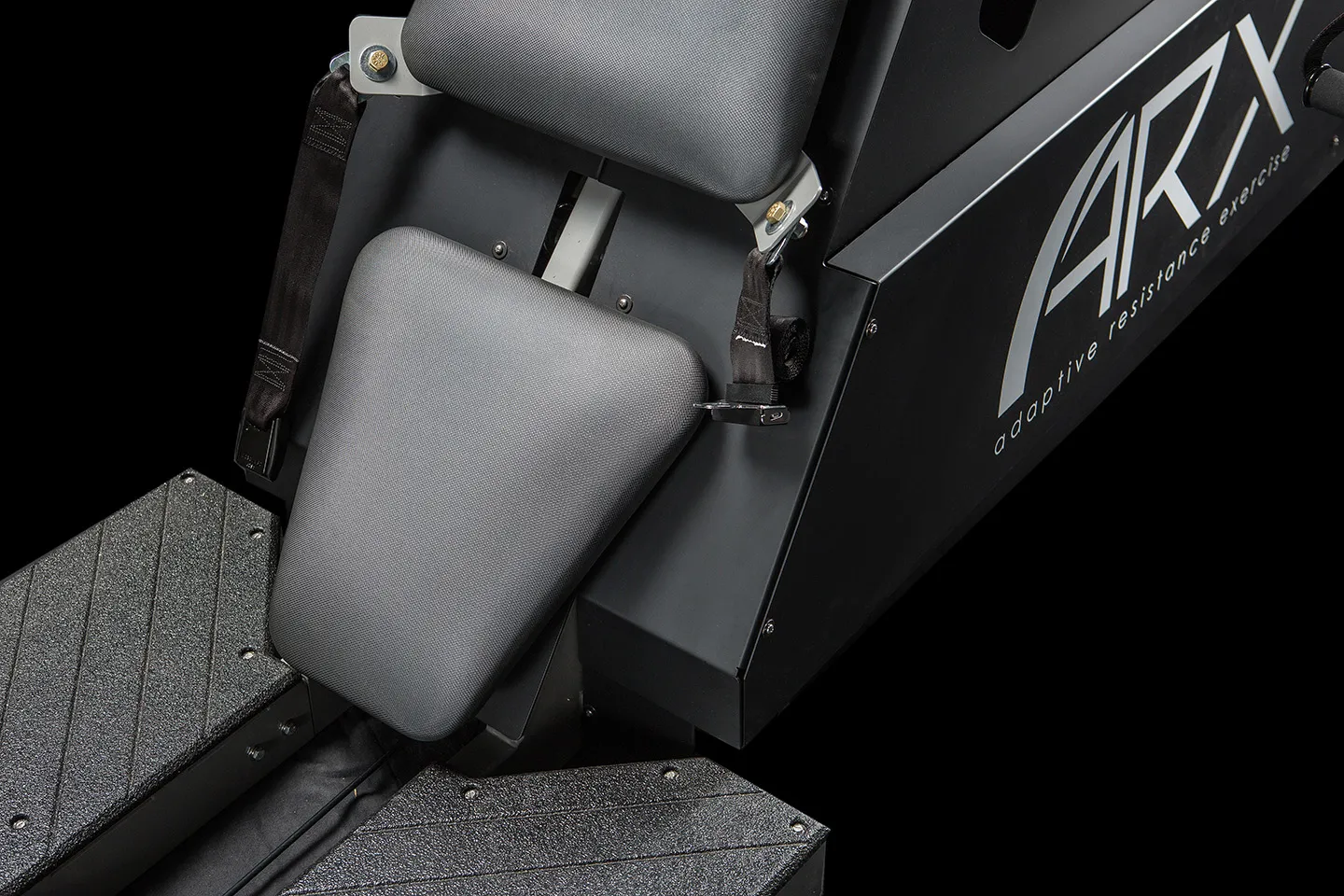
What sets ARX apart is the tool itself. ARX machines are patented and computer-controlled. A motor matches resistance to your exact force through every rep, including the eccentric or lowering phase that conventional weights underload, and force data is captured on every single rep. There are no plates to lift or drop, and the resistance can never push past what you can handle, which keeps injury risk very low.
The five results
Across the adaptive resistance exercise study, the ARX group outperformed the traditional weights group on every major measure. Here are the headline ARX study results, all reported by the ACE / Western Colorado University researchers.
Read together, the pattern is consistent: more of the results people train for, achieved in a fraction of the time. The study reports that the ARX group reached these outcomes while spending 72 percent less time exercising than the traditional weights group. To learn how the technology produces that, see what is adaptive resistance.
Why each result matters
Fat loss and muscle
The ACE study found 2.5 times more fat loss and 2 times more muscle in the ARX group. Those two together describe body recomposition, the outcome most people actually want: less fat, more lean tissue. Holding and building muscle also matters well beyond appearance. It supports metabolism, mobility and healthy aging, which is part of why muscle-preserving strength training is in such demand alongside the current GLP-1 wave.
VO₂ max
The ARX group saw 3.5 times greater improvement in VO₂ max, a core measure of cardiorespiratory fitness. That a strength tool moved a cardio marker this much is notable, because VO₂ max is one of the more durable predictors of long-term health.
Strength
The 90 percent greater strength result is the heart of the study. Strength is the adaptation resistance training exists to drive, and it is also measurable, which is the whole point of tracking it. ARX captures force on every rep, so progress is a number rather than a feeling. For why that measurement habit matters, read why measuring strength matters.
Time
Doing all of the above in 72 percent less time is what makes the rest usable. A full-body ARX workout takes about 15 minutes, which is the difference between a program someone keeps and one they quit.
What it means for buyers
If you are weighing ARX as a purchase, the value of an independent study is that it is not a marketing claim, it is a controlled comparison run by a third party. The ACE adaptive resistance study gives you outside evidence that the time savings come with better, not worse, outcomes.
That changes the math. For a home user, roughly 15 minutes for a full-body session under 40 square feet is a realistic commitment to sustain. For a studio operator, results delivered in a fraction of the time per client is the engine behind ARX's space and revenue efficiency. You can see the hardware behind the study on the machines page.
The limits of one study
Strong results deserve honest framing. Every figure here is a group average from a single controlled study, so individual results vary. How much you gain depends on your age, training history, effort, nutrition and consistency, none of which a machine can do for you. The study describes the direction and the scale of the advantage; it is not a personal guarantee.
It is also one study, not the entire literature, and as with any research more work across more populations and protocols is always worthwhile. What the ACE / Western Colorado University study does establish is meaningful: under a fair, full-body comparison, Adaptive Resistance™ outperformed traditional weights on every measure that mattered, and did it in far less time. That is a strong place to start a conversation, and the best way to judge it is to feel the resistance yourself.
Frequently asked questions
What was the ACE adaptive resistance study?
It was an independent study run by the American Council on Exercise (ACE) and researchers at Western Colorado University, published in 2021. It compared a group training on an ARX Adaptive Resistance™ machine against a group doing a standard traditional weight-training program over the same period.
What were the results of the adaptive resistance exercise study?
Compared with traditional weight training, the ARX group saw 2.5 times more fat loss, 2 times more muscle, 3.5 times greater VO₂ max improvement and 90 percent greater strength gains, all in 72 percent less time. Individual results vary.
Do the ARX study results mean I will get the same numbers?
Not necessarily. The figures are group averages from a single controlled study, and individual results vary with age, training history, effort, nutrition and consistency. The study shows the direction and scale of the advantage, not a guarantee for any one person.
Why did the ARX group get more results in less time?
ARX uses computer-controlled Adaptive Resistance™ that matches your exact force through every rep, including the lowering (eccentric) phase, and captures force data on every rep. That lets a full-body session take about 15 minutes while still delivering a hard, fully loaded effort.
See the study's results for yourself
Book a call and feel computer-controlled Adaptive Resistance™ on every rep.
Talk to ARX