Strength training and bone density are tightly linked: the load you put through your skeleton is one of the most important signals your body uses to keep bone strong. Here is what that means in practice, and how to apply load safely as you age.
Why bones need load
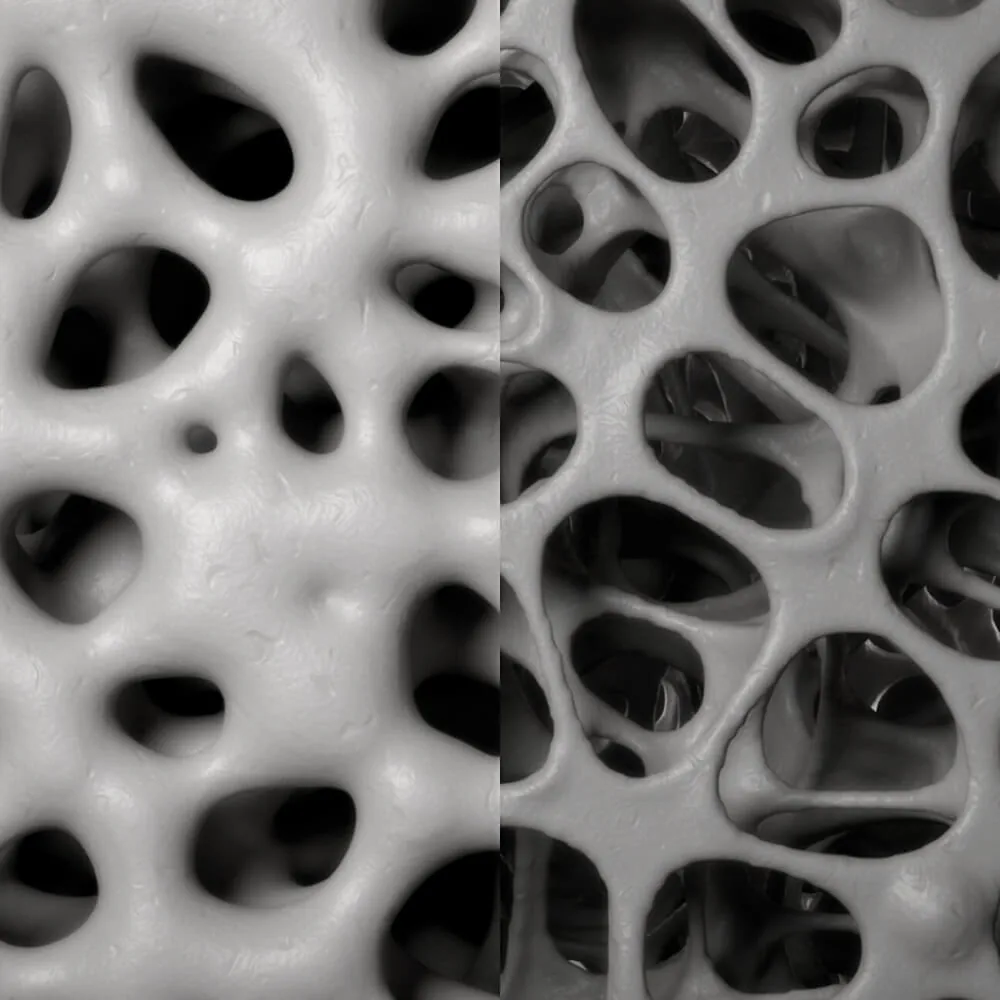
Bone is living tissue. It constantly remodels itself, breaking down and rebuilding in response to the demands placed on it. Mechanical load — the force of muscles pulling on bone and of weight pressing through it — is the primary stimulus that tells the body to maintain and build bone. When that load is removed, as it is during long periods of inactivity or bed rest, bone density tends to decline.
This is why movement that simply keeps you upright is not the whole story. To support bone, you generally need loading that meaningfully challenges the muscles and skeleton. That is the core argument for resistance training: it delivers progressive, targeted load in a way that everyday activity does not.
What the science says about strength training and bone density
Resistance training and weight-bearing exercise are widely recommended as part of a bone-healthy lifestyle. Major health and medical organizations consistently include strength training in their guidance for maintaining bone health across adulthood, alongside adequate nutrition and other lifestyle factors.
The reasoning is consistent with how bone responds to load: working muscles against resistance applies force through the bones they attach to, and the skeleton adapts to that demand over time. This is a general, well-supported principle. It is not a guarantee for any one person, and it does not replace medical care. If you have osteoporosis, osteopenia, or another diagnosed condition, your physician should help shape your program.
A note on claims: exercise supports bone health, but it is not a treatment for any disease. The guidance here is general. Anyone managing a bone condition should consult their physician before starting or changing a strength program.
How to load bone safely as you age
The challenge for many adults — especially those over 50 — is applying enough load to matter without applying it in a way that risks injury. Free weights and machines work, but they ask you to balance, coordinate, and control a load that is acting on you whether you are ready or not. Drop a weight or lose form on a heavy rep, and the consequences can be real.
A few principles make loading safer and more productive:
- Progress gradually. Bone adapts over weeks and months, not days. Add load deliberately.
- Stay in control. The lowering (eccentric) phase of a movement matters, and uncontrolled loads are where many injuries happen.
- Be consistent. A couple of focused sessions a week, sustained over time, beats sporadic intensity.
- Measure what you can. Tracking effort helps you progress on purpose instead of guessing.
For more on training in later decades, see our guides on strength training over 50 and aging with strength.
Where ARX fits
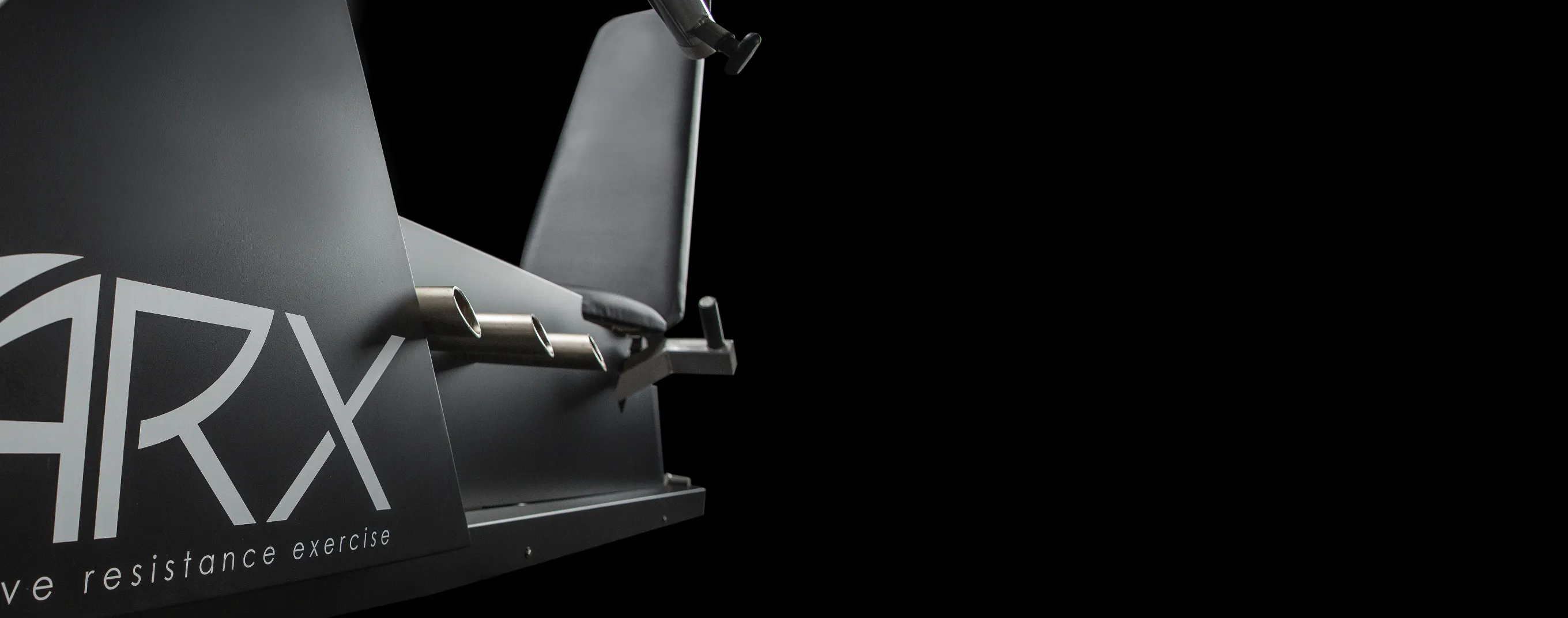
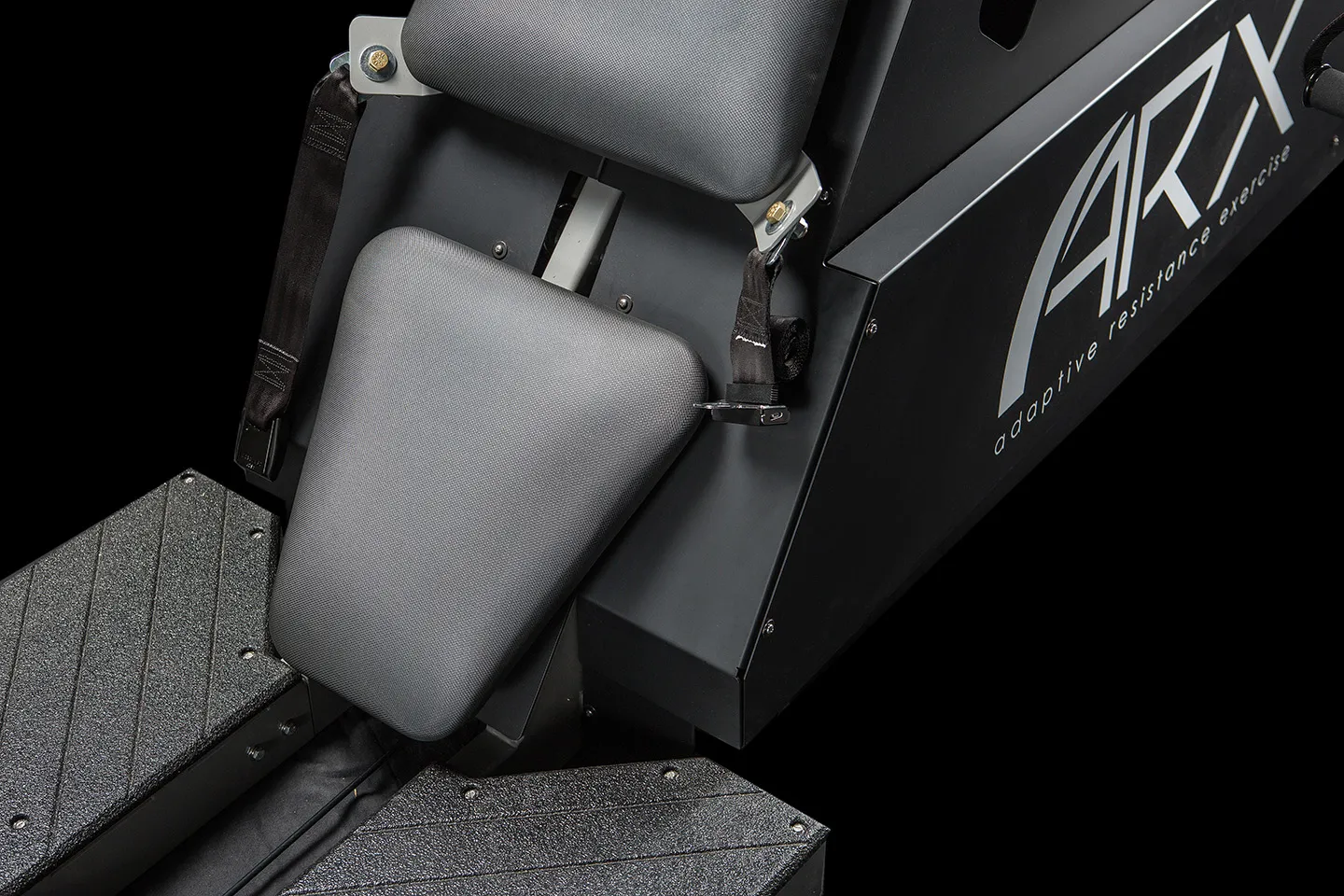
ARX is built around computer-controlled Adaptive Resistance™. A motor matches resistance to your exact force through every rep — including the eccentric, or lowering, phase — so the load is always appropriate to what you can handle in that moment. There are no weights to drop and there’s never a load you can’t control, which keeps injury risk very low.
For someone focused on applying meaningful load safely, that combination matters. You get controlled, progressive resistance without the balance, coordination, and skill demands of traditional free weights, and without a heavy load acting on you involuntarily. It is a controlled way to put effort through your muscles and the bones they pull on.
To be clear: ARX does not treat or prevent osteoporosis or any other condition. What it offers is a safe, repeatable way to apply progressive load — the kind of loading widely recommended for bone health — in roughly 15 minutes for a full-body session.
Measuring effort, every rep
One of the harder parts of any strength program is knowing whether you are actually progressing. ARX captures force data on every single rep, so your effort is recorded rather than estimated. That makes it straightforward to see week-to-week change and to add load intentionally instead of by feel.
For an aging population in particular, that feedback loop removes a lot of guesswork. You can confirm you are loading hard enough to matter while staying inside a controlled, low-risk envelope — and you can do it at home. Learn more about bringing this into your space on our ARX for home page.
Putting it together
The case for strength training and bone health is straightforward: bone responds to load, resistance training delivers that load, and the major health organizations recommend it as part of a bone-healthy lifestyle. The practical questions are how to apply enough load, how to do it safely, and how to know it is working.
Pair consistent resistance training with good nutrition — adequate protein, calcium, and vitamin D — and medical guidance where you need it. ARX is one way to make the loading itself safer, more controlled, and measurable, so the effort you put in is the effort that counts.
Frequently asked questions
Can strength training really improve bone density?
Resistance and weight-bearing exercise place mechanical load on bone, and that load is the primary signal the skeleton uses to maintain and build density. Major health organizations widely recommend resistance training as part of a bone-healthy lifestyle. Results vary by individual, so anyone with a diagnosed bone condition should work with their physician to set a safe, appropriate program.
What kind of exercise is best for bone health?
Loading exercise that challenges the muscles and skeleton — resistance training and weight-bearing movement — is the category most associated with supporting bone health. The key is progressive, meaningful load applied consistently over time, paired with adequate protein, calcium, vitamin D, and medical guidance for anyone with a diagnosed condition.
Is ARX safe for older adults concerned about bone health?
ARX applies computer-controlled Adaptive Resistance Exercise™ that matches your exact force on every rep, including the lowering phase. There are no weights to drop and resistance can't overload a joint, so the injury risk is very low. It is a controlled way to apply progressive load. ARX does not treat or prevent any medical condition — consult your physician before starting if you have osteoporosis or another bone condition.
How often should I train for bone health?
General guidance favors resistance training at least two days per week, with enough recovery between hard sessions. Because ARX captures force data on every rep, you can track effort precisely and progress load deliberately rather than guessing. Your physician or a qualified trainer can help tailor frequency to your needs.
See controlled, measurable loading for yourself
Book a call and feel how Adaptive Resistance™ applies progressive load safely — no weights to drop, force data on every rep.
Talk to ARX